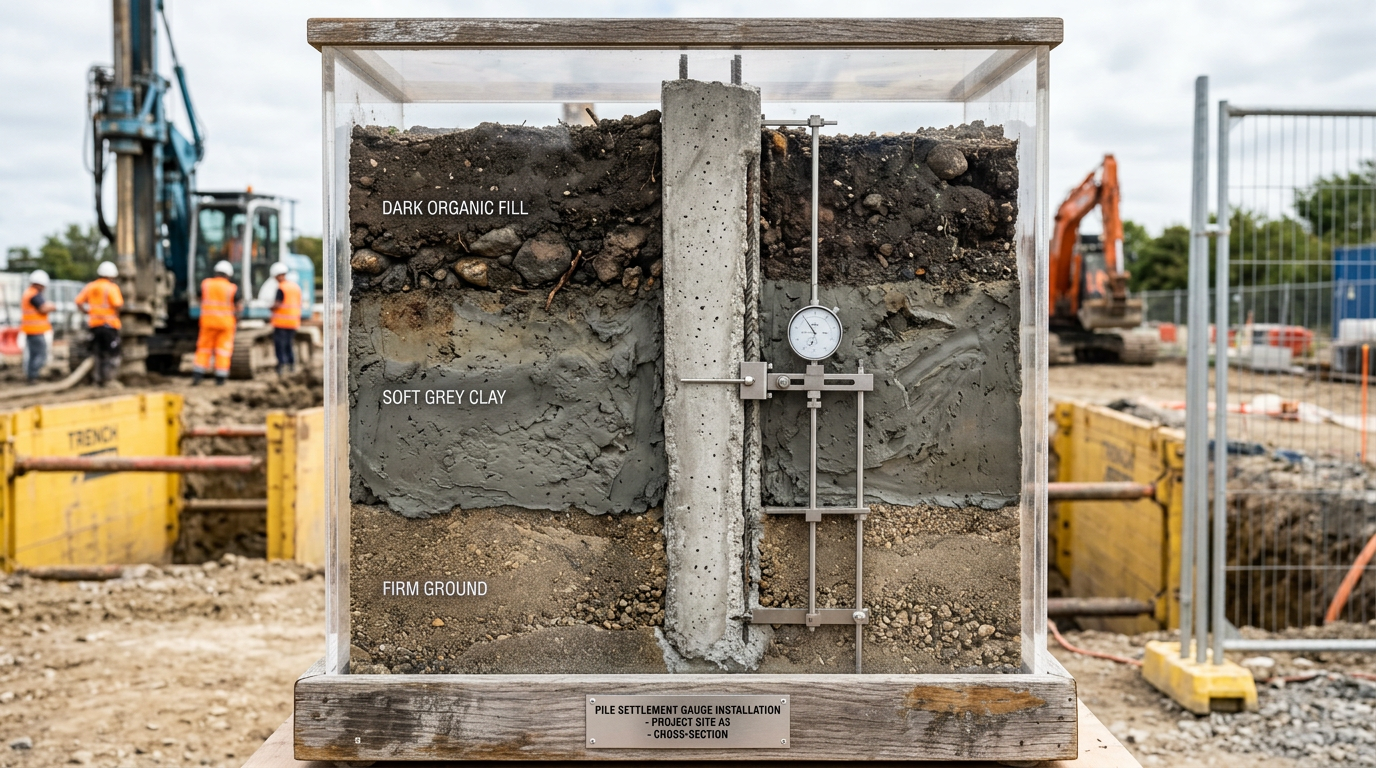
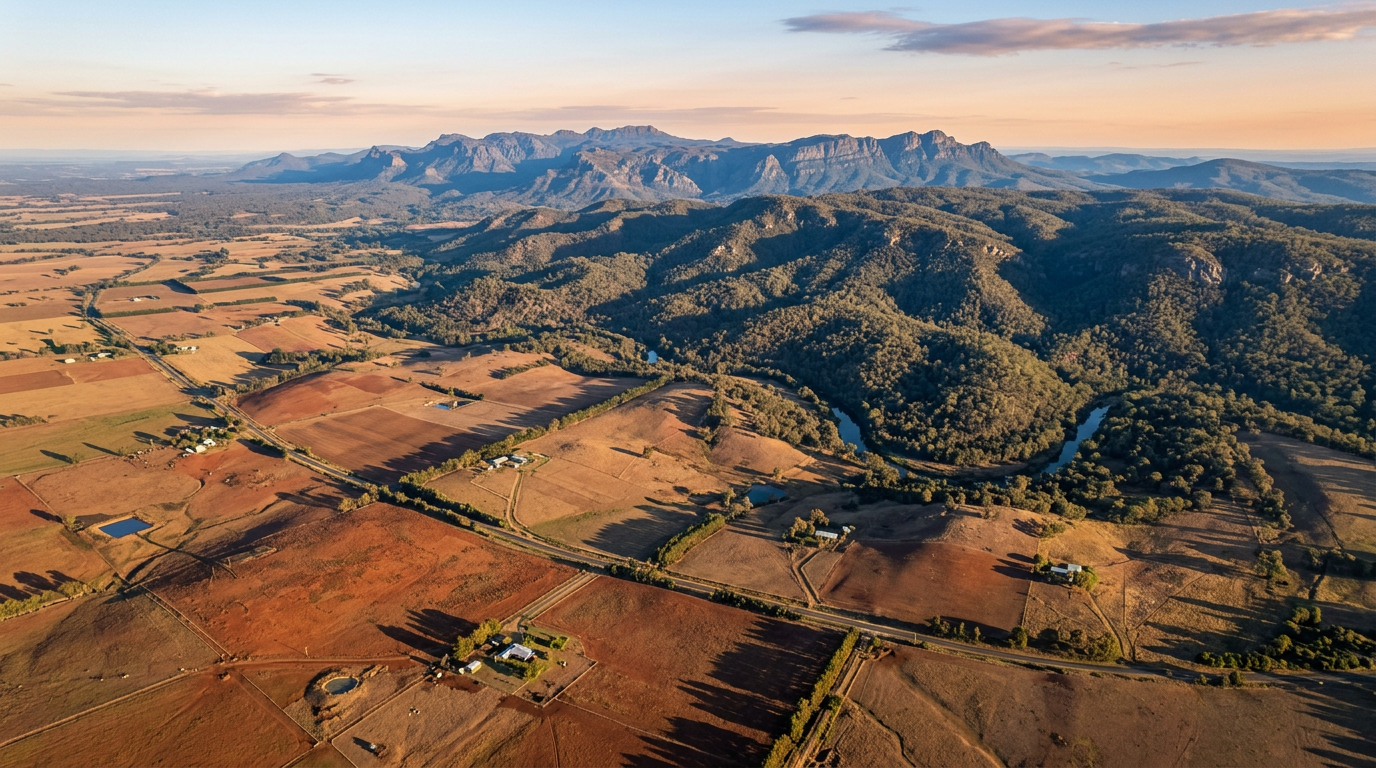
Victoria is geologically noisy. Inside a single hundred-kilometre radius of Melbourne you’ll drill reactive basaltic clay, weathered mudstone, competent basalt, coastal sand, saline marine silt and uncontrolled industrial fill. A pile schedule that works in Laverton will fail in Longford and cost too much in Rosebud.
Here’s how we think about Victorian ground on civil and infrastructure projects.
Western volcanic plain — from the CBD to Ballarat
Newer Volcanics basalt, often shallow. Reactive basaltic clay over competent rock, with the rock depth fluctuating dramatically block-to-block. Pile design has to allow for early refusal and socketing — a flat pile schedule blows out the program.
- Typical pile system: Rotary bored piers with rock auger, socketed into basalt.
- Watch out for: Highly variable rock depth inside a single pad. Probe ahead.
Melbourne eastern suburbs and foothills
Silurian mudstone and sandstone, weathered near surface, competent below. Groundwater in fissures rather than saturated ground. Great for bored piers with moderate sleeving through the weathered zone.
- Typical pile system: Bored piers into weathered-to-competent mudstone.
- Watch out for: Perched water in fractured zones — tremie concrete when it shows.
Port Phillip foreshore & bayside
Sandy clay over sand over marine silts. High groundwater table. Sheet piling and screw piling are the workhorses.
- Typical pile system: Steel screw piles (galvanised) or sheet piling cofferdams.
- Watch out for: Corrosion zones — design the coating system to asset life.
Mornington Peninsula, Bellarine & coastal Gippsland
Coastal sand and reactive clay over weathered mudstone in places. Water tables within a metre of surface near the foreshore. Galvanised screw piles are the default.
- Typical pile system: Steel screw piles with full hot-dip galvanising.
- Watch out for: Seasonal water-table fluctuation — design load capacity to worst case.
Gippsland & the Latrobe Valley
Dense sands, over-consolidated clays, and sedimentary rock at depth. Oil and gas plant territory — permit-to-work environments with live process. Capacity is rarely the problem; program and permitting are.
- Typical pile system: Large-diameter bored piers socketed into rock; sleeved where saturated fill exists.
- Watch out for: Shutdown-window schedules — you need a rig you can trust to stay up.
Central Highlands & north-east
Granite and basalt often at or near surface. Quartz reefs in former mining country. Hard drilling country; sensible rock augers and the right rig make the difference.
- Typical pile system: Rotary bored piers with rock augers.
- Watch out for: Legacy mining workings in the Bendigo-Ballarat belt.
One rule across the state
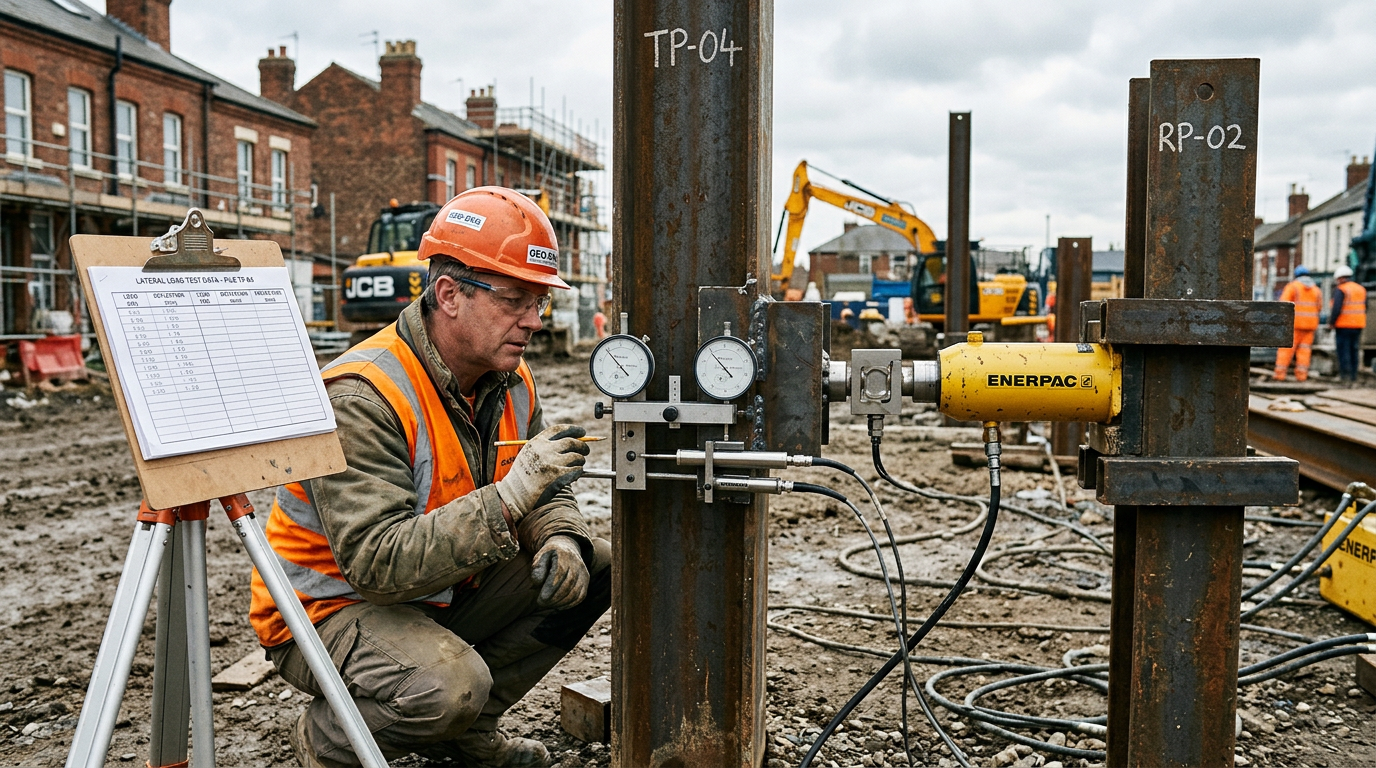
The geotech drives the design. We’ve seen every one of these conditions — often in the same week — and the point is never to force a favourite pile system on a site. It’s to match the ground to the right discipline. Send a borehole log and we’ll tell you what we’d install.
References
- Geological Survey of Victoria, Geology of Melbourne — Urban Geology Series.
- Geological Survey of Victoria, The Newer Volcanics of the Western Plains.
- Standards Australia, AS 1726:2017 — Geotechnical Site Investigations.
- Standards Australia, AS 2870:2011 — Residential Slabs and Footings (site classification).
- Environment Protection Authority Victoria, Industrial Waste Resource Guidelines (IWRG).
- Engineering Geology of Melbourne, Peck, Neilson, Olds & Seddon (Eds.), Balkema, 1992.
Article technically reviewed by a chartered geotechnical engineer (CPEng, MIEAust) with long-running Victorian ground-conditions experience.
VIC PILING is a specialist piling contractor delivering tier-1 civil, energy, rail and commercial foundations across Victoria since 2016. Our principals bring 30+ years of combined design, installation and compliance experience under AS 2159, AS 5100 and AS 4678.